Sunday, March 24, 2024

Importance of Books and Reading in Childhood

     According to Scientific American, as of 2023, approximately 60% of children were unable to read with proficiency, and 40% of these were essentially nonreaders. Language and literacy is one of the social determinants of health. Healthy People 2030 defines language as "the principle method of human communication, consisting of words used in a structure and conventional way and conveyed by speech, writing, or gesture." Literacy has components including oral literacy (listening and speaking skills), print literacy (writing and reading skills), numeracy (the ability to understand and work with numbers), and cultural and conceptual knowledge. Literacy is distinct from health literacy, which is the degree to which individuals understand and use health related information and searches. Research has shown that limited language and literacy skills are associated with lower educational attainment and worse health outcomes. 

    Reading to children is extremely important to early childhood development. According to the CDC, reading to young children has been shown to improve their language and literacy skills, and is linked to both better behavior and better health. It promotes healthy brain formation, while also increasing skills and vocabulary. In addition, it allows for bonding between the child and caregiver. 

    It has been shown that children who develop strong early literacy skills are more likely to succeed academically. These children exhibit higher levels of self confidence and actively engage in learning experiences. Strong health literacy early in life translates to improved health outcomes later in life. 


    Academic Pediatrics demonstrated the impact of Reach Out and Read via peer reviewed study. This program focuses on supporting healthy early parent-child relationships through shared reading. It is a national family centric program in which medical providers, typically pediatricians, share guidance to caregivers about the importance of reading aloud. They discuss with the parents how to use these books and engage with the young children in the household. The study surrounding this program, The Effect of Exposure to Reach Out and Read on Shared Reading Behaviors, showed that families who participated in this program were more likely to have books in their household and were more likely to read them to children multiple times a week. These young children displayed improved language development by three to six months. 
    The importance of this study's findings, and the importance of the program as a whole, is supported by a policy statement from the American Academy of Pediatrics (AAP), which states that positive childhood experiences, such as reading with a caregiver, can mitigate adverse childhood experiences that would otherwise lead to long-term chronic poor health and well-being. The AAP statement also advocates for a public health approach to this promotion of positive childhood experiences and sites Reach Out and Read as a model intervention. 

    Another intervention that has aimed to improve childhood literacy and family bonds is Dolly Parton's Imagination Library. Dolly Parton first launched this effort in 1995 to benefit the children of her home county in East Tennessee. It gave each child under the age of five a specially selected, high quality, age appropriate book each month, mailed directly to their home. Since 2000, more and more communities have adopted this program. As of 2004, Tennessee had state wide coverage. The program has since expanded internationally to Canada, the United Kingdom, and Australia. 
    Present day, Dolly Parton's Imagination Library sends over one million books to children each month. 1 in 7 children under the age of five in the Unite States currently receives Imagination Library books. 
Dolly Parton's Imagination Library: How it Works
The Imagination Library has been shown to improve kindergarten readiness and family literacy habits, especially for children living in high-poverty areas. In North Caroline, in which every child under the age of five now has access to the Imagination Library due to a 2017 expansion, 45% of families reported that without the program they would not have been able to purchase books. 



Saturday, March 2, 2024

Children's Mental Health


    The CDC describes children's mental health and how it contributes to children's developmental and emotional milestones. Being mentally healthy in childhood contributes to reaching these milestones and allowing children to learn healthy social skills and how to cope with problems. Being mentally healthy improves a child's quality of life and how they function at home, in school and in there community.

    Mental disorders in children are described as serious changes in how they learn, behave, and handle emotions. Amongst children aged 3 - 17 years, the most common mental health diagnoses are: 

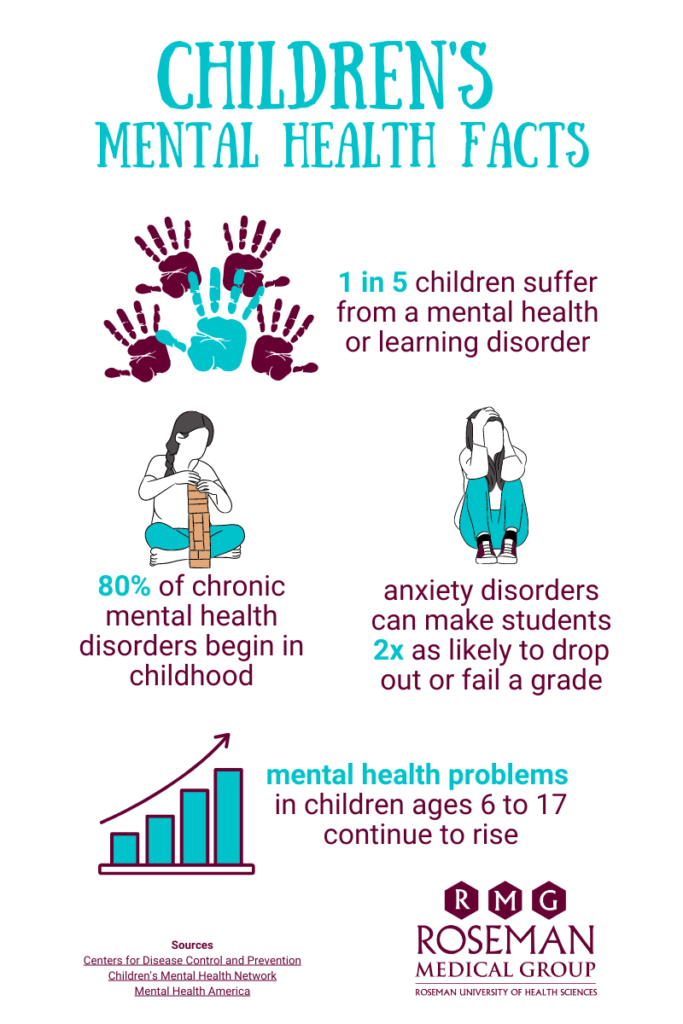
Roseman Medical Group: Children's Mental Health - COVID-19 and Beyond


  • ADHD (9.8% or approximately 6.0 million children)
  • Anxiety (9.4% or approximately 5.8 million children)
  • Behavior problems (8.9% or approximately 5.5 million children)
  • Depression (4.4% or approximately 2.7 million children)

    Some of these conditions can occur concurrently. In 2017, it was shown that approximately 75% of children with depression los had anxiety and almost 50% had behavior problems. 

    The prevalence of mental illness in children has increased over time. Much of this has occurred in the past few years and can be sourced back to the COVID-19 pandemic. Prior to this time, CDC data found that 1 in 5 children had mental illness, with only about 20% receiving care. However, in 2020 the Lurie Children's Hospital of Chicago conducted a survey of 1,000 parents across the country and found that 71% of parents reported that the pandemic had taken a toll on their child's health. Mental health crises increased  24% for children aged 5 to and 31% for children aged 12 to 17 from 2019 to 2020. 

    The following are circumstances are reported to cause or exacerbate poor mental health in children:
Cycle of Children's Mental Health Disparities by Break the Cycle of Health Disparities inc.

  • Persistent poverty
  • Recurrent abuse
  • Chronic neglect
  • Domestic violence
  • Parental mental health
  • Moving homes/Changing schools
  • Bullying
  • Parents divorce/separation
  • Death of a loved one
  • Long term/Chronic illness

    There are several disparities present in children's mental health. The American Academy of Pediatrics reports that nearly one half of children in the United States do not receive care for treatable mental health conditions. Children from racial and ethnic minorities have even lower treatment rates than their white counterparts, as well as higher incidence rates of mental illness. Data from the Journal of the American Academy if Child & Adolescent Psychiatry shows that between 2010 and 2017, the rates of mental health care in black youth decreased while white and latinx youth rates increased. In some minority communities, there is a major issue in parents understanding their children's mental health. Dr. Patton-Smith of the Mid-Atlantic Permanente Medical Group explains that "There's still challenges in understanding that depression, anxiety, and mood issues are not character flaws, they're not personal weaknesses." He also notes that depression rates are highest in multiracial youth. 
    The prevalence of mental illness is also higher in children identifying as a sexual minority, with them having an almost 3 times increased odds of attempting suicide compared to their heterosexual peers. 

Conceptual Model for Child Mental Health and Mental Health Service Disparities - Margarita Algeria and Jennifer Greif Green, Ph.D.


Monday, February 26, 2024

Safe Haven Laws and Baby Boxes

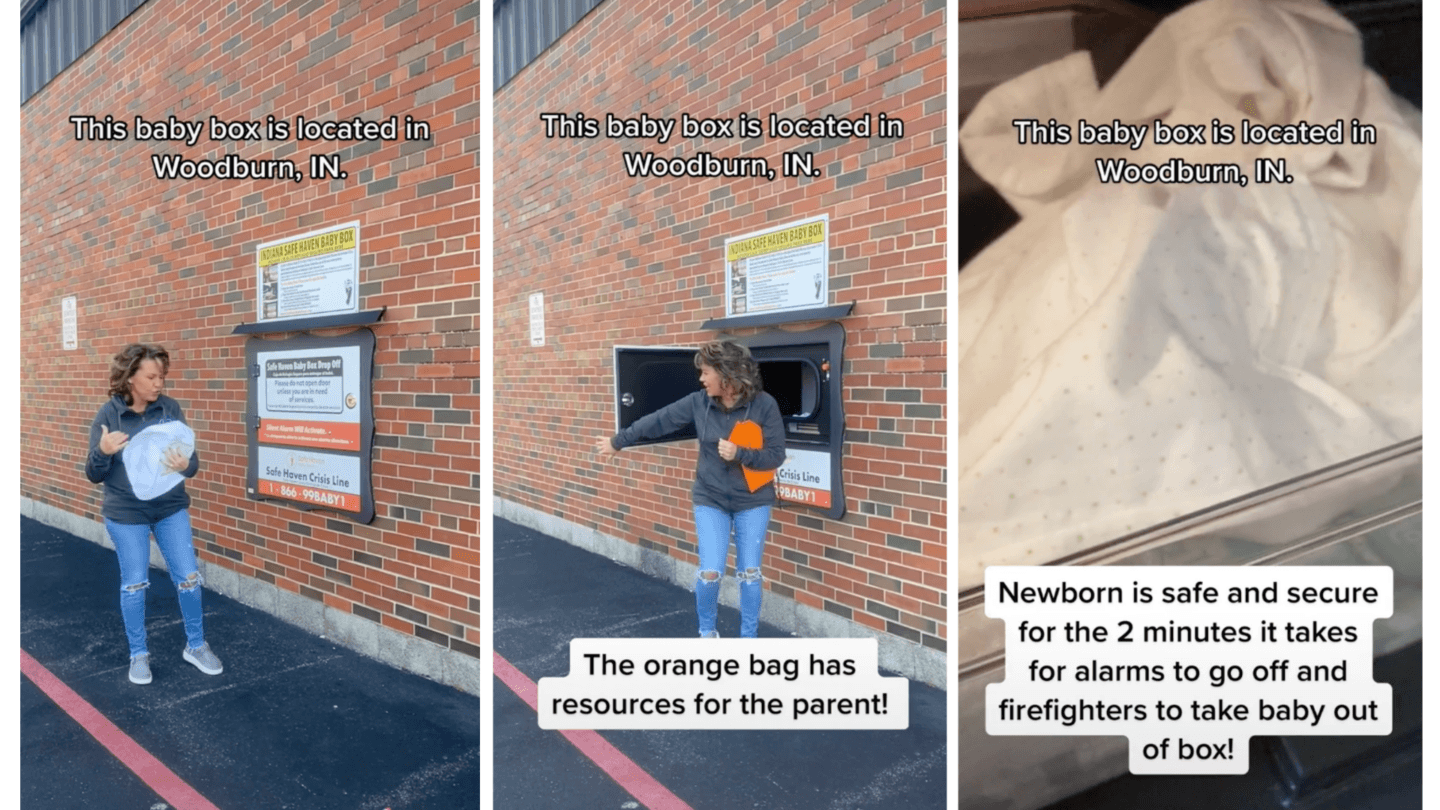
     Safe Haven Baby Boxes are implemented with the goal of preventing illegal abandonment of newborn children. Not only is the Baby Box offered as a last resort option for women, maintained with complete anonymity, but the organization itself raises awareness and offers a 24 hour hotline for mothers in crisis. 

Safe Haven Baby Box

    The primary goal of Safe Haven Baby Boxes is to raise awareness of the Safe Haven Law. These laws vary across states, in areas such as maximum age at which an infant can be relinquished, whom can relinquish the infant, and where the relinquishment can occur, but overall provide safe places for parents to relinquish their newborn infants. It provides anonymity and protection against prosecution for the infant's caretakers as well as immunity of liability for providers who accept the infants. All fifty states and Puerto Rico have some variation of the Safe Haven Law. The first state to enact this type of law was Texas, who in 1999 created their "Baby Moses Law." This laws was created in a reaction to thirteen incidents of child abandonment that year, with three of the infants being discovered dead. Kentucky's version of this law is the Safe Infants Act, which allows parents to leave babies younger than 30 days old at a designated safe place, where no one will call the police or ask for your name. The baby will get medical care and be placed with a family for adoption. If the parents of the infant do not contact the Cabinet for Health and Family Services within 30 days after leaving the infant at a safe place, the Cabinet will begin the process of terminating parental rights. The World Population Review provides a breakdown for the law by each state. 

Viral TikTok Shows How Safe Haven Baby Boxes Work
   
    According to the National Library of Medicine, more than 100 infants are abandoned each year, with approximately one-third of these infants being found dead. However, since the implementation of the Safe Haven Baby Box, the hotline has received 9,000 calls, the organization has referred over 500 women to crisis pregnancy centers and assisted in 9 adoption referrals, and over 150 infants were safely surrendered. Since the implementation of the first Safe Haven Law in 1999 in Texas, more than 3,500 newborns have been successfully surrendered. 
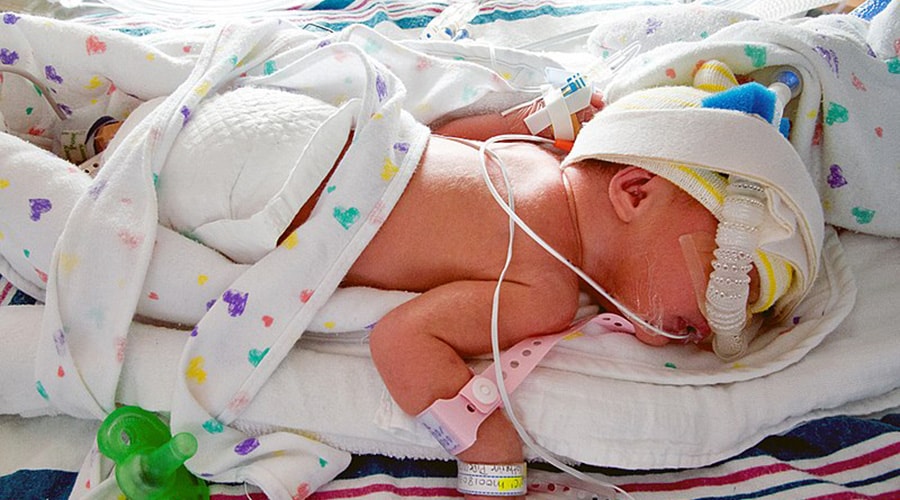
Newborn baby safely surrendered to the Safe Haven Box at the Beech Grove, Indiana Fire Department

    Despite their benefit towards preventing infant abandonment, scholars have offered critiques of safe haven laws, stating they do not address the root problem of infant abandonment and mortality. They argue that these laws make citizens feel like the crime is being prevented while ignoring racial, cultural, and socioeconomic issues impacting infant relinquishment. These scholars argue for more research to be done on infant abandonment so that evidence based interventions can be implemented to decrease the issue in the first place. 


Tuesday, February 20, 2024

The Opioid Crisis and Maternal and Child Health

     The Opioid Crisis is a rising epidemic across America. According to the CDC, the number of people who died from drug overdose in 2021 was over 6 times the amount in 1999. This number increased by 16% from 2020 to 2021 alone, with 75% of drug overdose related deaths in 2021 involving opioids. 

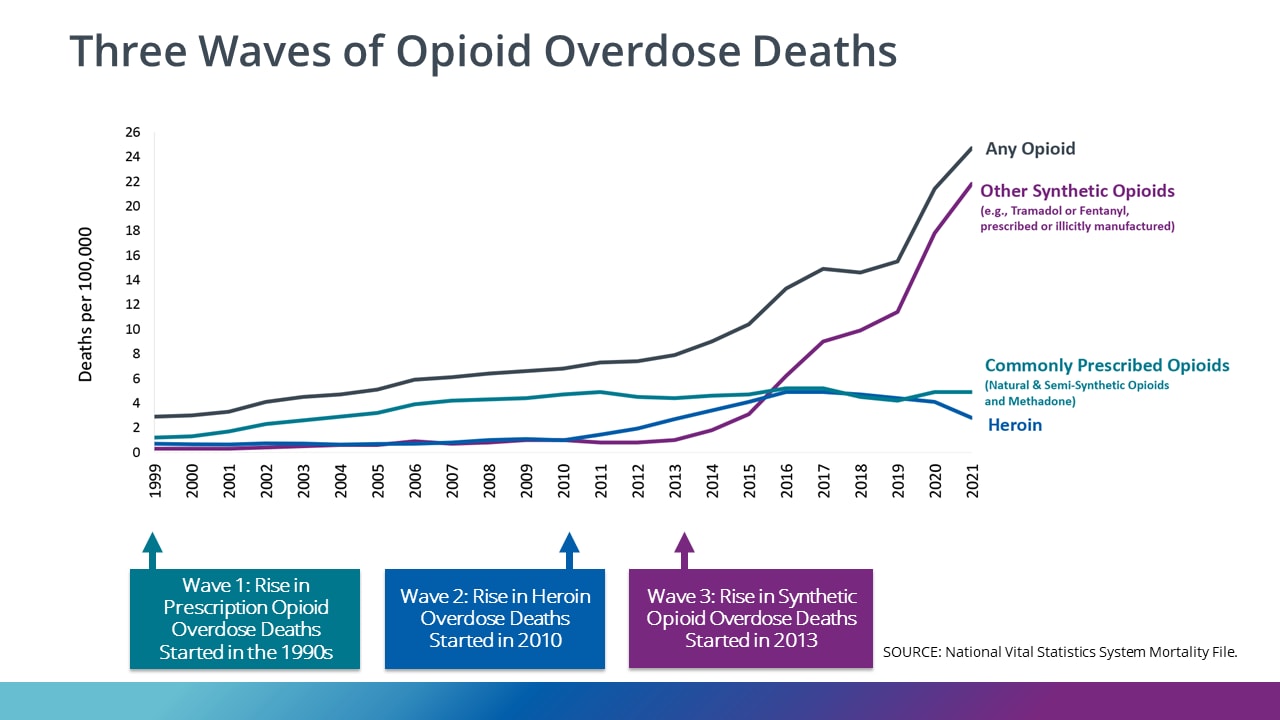
Center for Disease Control and Prevention: Three Waves of Opioid Overdose Deaths


    The chart above describes the rise of the opioid epidemic over time. The CDC describes this in three waves.
  1. The first wave began in the 1990s, with physicians increasing the amount of opioids prescribed. The majority of these deaths involved prescription opioid overdoses (natural and semi-synthetic opioids and methadones).
  2. The second wave began in approximately 2010, with overdose deaths rapidly increasing with the involvement of heroin.
  3. The third wave began not long after, in 2013, with significant increases in overdose deaths involving synthetic and illegally manufactured opioids, particularly fentanyl 

    This epidemic has had major affects on maternal and child health, with opioid use disorder causing negative health outcomes for both mothers and infants. The CDC also addressed this issue, describing the following health outcomes associated with opioid use during pregnancy: 

  • Pre-term birth
  • Low birthweight
  • Breathing problems 
  • Feeding problems
  • Maternal mortality
   Babies exposed in vitro to drugs can often be born with neonatal abstinence syndrome, in which the are dependent on the substance at birth and face withdrawal symptoms as the drug is cleared from their system. 
    In addition to physiological morbidities, this crisis is causing more and more families to be separated, whether by social services or by the loss of a parent. 

    The National Network of Perinatal Quality Collaboratives, which is funded by the CDC, has the focus of improving the health outcomes of those affected by the opioid crisis. They have the goal of improving three potential encounters at three early stages of motherhood, via public health interventions.
  1. Prenatal opportunities: Screening and intervention
This intervention focuses on screening for opioid use disorder as early as the mother's first prenatal visit. The provider can measure the mother's addiction severity and can then offer information on the risks of continued drug abuse, advise on the next steps throughout the pregnancy, connect the mother with available support system (Medication Assisted Treatment providers, psychiatric care, social workers, etc.).

    2.  Opportunities post-delivery: Empowering caregivers

 After birth, opioid exposed newborns are typically taken in for critical and intense care to try to alleviate their negative health outcomes. This can often leave mothers feeling alienated from both their baby and their baby's care. An attending neonatologist explained that, "Rather than inspire change, this approach risks telling a mother that she's not capable of caring for her child." Thus, care teams must empower mothers and teach them how to console their babies. This is shown to improve long-term outcomes for families and to help babies recover at a faster rate. Mothers must be informed of what to expect and be prepared to talk to social services. 

    3. Postpartum opportunities: Supporting the dyad

When mothers first return home, they are often still battling addiction, now with the additional stress of a newborn. During the first year of life for a newborn, relapse rates spike for mothers, causing accidental overdose to be one of the leading causes of death in first year mothers. Thus, it is recommended for a two-generational approach at pediatric visits. These can allow for discussing addiction treatment and directing mothers to additional community support systems. 

Monday, February 12, 2024

Climate Change and Maternal and Child Health

    The CDC analogs the negative health outcomes associated with climate change, such as increased respiratory and cardiovascular disease, injuries and premature deaths related to extreme weather, changes in the prevalance and geographic locations of food and other resources, increased spread of food and water-borne diseases, increased spread of other infectious diseases, negative effects on mental health, etc. As such, climate change is often referred to as "the biggest public health crisis of the twenty-first century."

The World Health Organization: An overview of climate-sensitive health risks, their exposure pathways and vulnerability factors.


  As most things that result in increased morbitiy and morality, climate change poses an especially increased risk for maternal and child health. According to the World Health Organization, climate hazards are associated with raised risks of developing complications that lead to adverse maternal and perinatal outcomes. 
     These may include multiple causes of maternal and neonatal morbidity and mortality, including, but not limited to:
  • gestational diabetes 
  • hyper tensive disorders of pregnancy 
  • preterm birth 
  • low birth weight 
  • stillbirth
  • anemia
    The exposure to climate hazards can also lead to health issues later in life for both the parent and child, such as decreased mental health and a rise in intergenerational trauma. 
    According to the American Psychological Association, climate change even poses an irreversible threat to prenatal development in physiological systems, cognitive abilities, and emotional skills/
    Why are mothers and their children to susceptible to the negative outcomes of climate change?
  1. Pregnant women and children need reliable transportation and medical care.
  2. Biological and behavioral changes during pregnancy and postpartum can cause women to be more prone to insect-, food-, and water-borne diseases, which are more easily spread in times of climate crisis.
  3. Pregnant and postpartum women can be at an increased risk of post-traumatic stress disorder and depression as a result of natural disasters and extreme weather.
Several organizations have proposed interventions that address the issue and seek to improve maternal and child health:
  • systems-level solutions to tackle climate change at its root
  • community solutions to increase resilience, meet children’s basic needs and increase access to mental health care
  • school-based support and hands-on opportunities to act
  • screenings by health care professionals to identify climate-related distress and treatment interventions
  • parental support, to teach their children about climate change, manage their fears, find hope, take age-appropriate action and nurture their capacity for resilience
  • targeting resources to pregnant and postpartum women in climate affected areas
  • developing a national heat vulnerability index to protect pregnant and postpartum women form extreme heat
  • improving the quality and resiliency of housing and local infrastructure


Studies have shown interventions addressing the climate crisis to improve maternal and child health. For example, a study examining the association between air pollution and poor maternal health outcomes found that in the 10 years after a California coal power plant closed, there was a 27 percent reduction in the rate of preterm births in the surrounding region. 

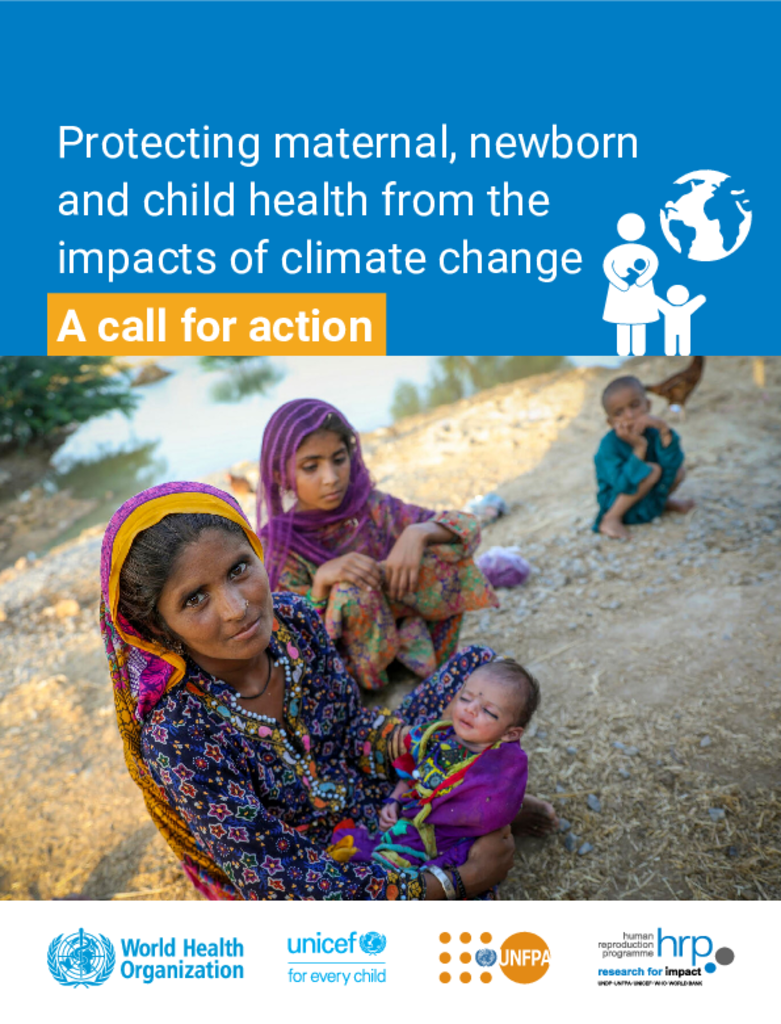
UNFA-UNICEF-WHO
Call for Action


Monday, February 5, 2024

The Burden of Malaria on Child Health

Malaria is a life threatening disease spread to humans via mosquito bite. It mostly spreads to people through the bites of some infected female Anopheles mosquitoes, but can also be spread via blood transfusions and contaminated needles. According to the World Health Organization. the African region carries a disproportionate rate of the world's Malaria cases, with 94% of all Malaria cases and 95% of all Malaria deaths occuring here. Infants, young children, pregnant women, and those who are immunocompromised are at the highest risk of Malaria morbidity and mortality. In the African region, children under the age of five accounted for 78% of all Malaria deaths, with a child dying of Malaria every two minutes. Malaria in pregnancy contributes to significant prerinatal morbidity and mortality. Infection is known to cause higher rates of miscarriage, intrauterine demise, premature delivery, low-birth-weight neonates, and neonatal death. Pregnant women are at increased risk of contracting the disease, being 3 times more likely to suffer from severe disease as a result of malarial infection compared with their nonpregnant counterparts, with the mortality rate from severe disease approaching 50%. In areas where Malaria is endemic, as many as 25% of pregnant women become infeted with the disease. The first Malaria vaccine was reccomended by the WHO in 2021, with the goal of preventing Malaria in children. The vaccine has reached nearly 2 million children in Ghana, Kenya and Malawi through the Malaria Vaccine Implementation Programme, MVIP, since 2019. Despite this, the number of Malaria related deaths grew from 2022 to 2023, increasing from 244 million to 249 million. Thus, as of October 2023, WHO recommends the programmatic use of malaria vaccines for the prevention of P. falciparum malaria in children living in malaria endemic areas, prioritizing areas of moderate and high transmission, with the addition of a new vaccine. Aside from vaccines, another form of prevention against Malaria is the sleeping under insecticide-treated mosquito nets (ITNs) on a regular basis. UNICEF describes that this is one of the most effective ways to prevent Malaria morbidity and mortality, and that almost 2.5 billion ITNs have been distributed globally since 2004, with 2.2 billion (87 per cent) distributed in sub-Saharan Africa. In 2022, manufacturers delivered about 282 million ITNs to malaria endemic countries, an increase of 22 per cent compared with 2021. However, despite this, fewer than 30% of sub-Saharan African children use ITNs. Household ownership of these ITNs needs to be increased to meet universal access. There are other areas of improvement neccessary to decreasing the buden of Malaria in children. Some of the disparaties below contribute to the effect of Malaria: - In sub-Saharan Africa, about 6 in 10 children who have a fever are taken to a health care facility - Despite the importance of malaria testing, less than 1 in 3 children are tested in sub-Saharan Africa - Too few children in sub-Saharan Africa receive the recommended treatment for malaria, independent of wealth or residence - In sub-Saharan Africa, too few women receive intermittent preventive treatment (IPTp) Overall, improved access to health care treatments and testing will curb the negative outcomes of Malaria.

Sunday, January 28, 2024

Maternal and Infant Health in Rural America

 The United States is a country known for poor maternal health outcomes, despite our national wealth. However, these outcomes are even worse in rural communities, according to The Commonwealth Fund. According to the CDC, rural communities have an average of 29.4 maternal deaths per 100,000 when compared to urban communities' 18.2. Even after controlling for socioeconomic factors and clinical conditions, the American Journal of Public Health found that rural residents had an almost 10% increased risk of maternal morbidity and mortality than urban residents, data which did not even account for the vast number of out of hospital births, most of which occur in rural areas. 

Source: Martha Hostetter and Sarah Klein, “Restoring Access to Maternity Care in Rural America,” Transforming Care (newsletter), Commonwealth Fund, September 30, 2021. https://doi.org/10.26099/CYCC-FF50

    In recent years, more than half of the rural counties in the United States have been considered "maternity care deserts." This leads to states like New Mexico, where one of three people who die during pregnancy die due to car accidents, many of these due to people having to drive miles on end down mountainous backroads and in bad driving conditions trying to reach medical care. It has been shown that over 50% of rural women lack access to perinatal services within a 30 minute drive, with over 10% of rural women having to drive over 100 minutes to get the care they need. In Appalachia, this issue is seen in the steady decline of obstetric services, which according to the National Institutes of Health have exacerbated the already present issue of poor health-outcomes in women and infants. 

    The issues regarding maternal and child health can be described by the situations above, but can also be partially summed up by some of the following:


Source: P Hung, C Henning-Smith, M Casey, and K Kozhimannil. Access to Obstetric Services in Rural Counties Still Declining, With 9 Percent Losing Services, 2004–14. Health Aff (Millwood). 2017 Sep 1; 36(9): 1663-1671.

  • Hospital closures
  • Access to care
  • Insurance coverage
  • Workforce supply and interventions.

These conditions affect access to care before, during, and after pregnancy, and affect all those with regards to maternal and child health. However, these are especially heavy hitters for those in rural communities. These areas face high rates of obstetric department closures, workforce shortages, lack of public transit, poverty and lack of insurance, and other issues regarding access to care. Rural areas suffer in regards to the social determinants of health, with lower rates of education, access to healthy foods, and job opportunities.
Restoring Access to Maternal Care in Rural America: Commonwealth Fund
   
 As a result of this lack of maternal healthcare in many areas, the Federal Office of Rural Healthcare Policy created Rural Maternity and Obstetrics Management Strategies (RMOMS) grant program in 2019, with the goal of encouraging health providers to form regional networks that can aid with maternal health and fill the current gaps. 
     In another form of intervention, the National Institutes of Health looked into home-based interventions as a primary strategy. In these interventions, women received health eduction and counseling in their homes on topics such as safe motherhood and newborn care practices. This specific strategy is useful for those in rural settings where they do not have close access to healthcare institutes. 
    Despite proposed solutions, just as with other health issues and disparities, poor rural maternal and child health will not be fixed overnight. These solutions must address the multifactorial determinants leading into this issue. 

Sudden Infant Death Syndrome: Every Parent's Worse Nightmare

     The  Mayo Clinic  defines Sudden Infant Death Syndrome (SIDS) simply as the unexplained death of a child. This definition is not specif...